
January 9, 2026 | Kitchen
It usually starts with finishes.
Cabinet colors. Countertops. Hardware. Tile.
Those choices are exciting—and visible. But if you’ve ever stood in a beautiful kitchen that somehow felt frustrating to use, you’ve already learned this lesson the hard way:
A kitchen can look amazing and still not work.
That’s why kitchen layout design matters more than finishes in a remodel. Long before style comes into play, layout determines how the space feels, flows, and supports daily life.
A Kitchen Remodel Layout Shapes How You Live in the Space
Your kitchen isn’t a showroom. It’s a working environment.
Meals get prepped. Homework happens. Conversations overlap. People move through it at the same time.
A thoughtful kitchen remodel layout accounts for all of that. It considers how many people use the space, where traffic naturallyly flows, and which areas need room to breathe.
When layout is right, the kitchen feels intuitive. When it’s wrong, no finish can fix the friction.
Functional Kitchen Design Is About Movement, Not Just Storage
Most homeowners focus on storage—and yes, that matters. But functional kitchen design starts with movement.
Ask yourself:
- How do you move from fridge to sink to cooktop?
- Where do people tend to gather or pass through?
- What feels cramped during busy moments?
This is where kitchen workflow planning becomes critical. The goal isn’t to follow a rigid rule—it’s to reduce unnecessary steps, collisions, and bottlenecks.
A well-designed kitchen supports you without you having to think about it.
Finishes Are Flexible. Layout Is Not.
One of the most important kitchen renovation tips is this: finishes can be changed later. Layout usually can’t—at least not easily.
Cabinets, countertops, lighting, and fixtures evolve over time. But once walls, plumbing, and appliance locations are set, the structure of the kitchen is locked in.
That’s why decisions around kitchen layout design deserve more time, more conversation, and more intention than surface-level choices.
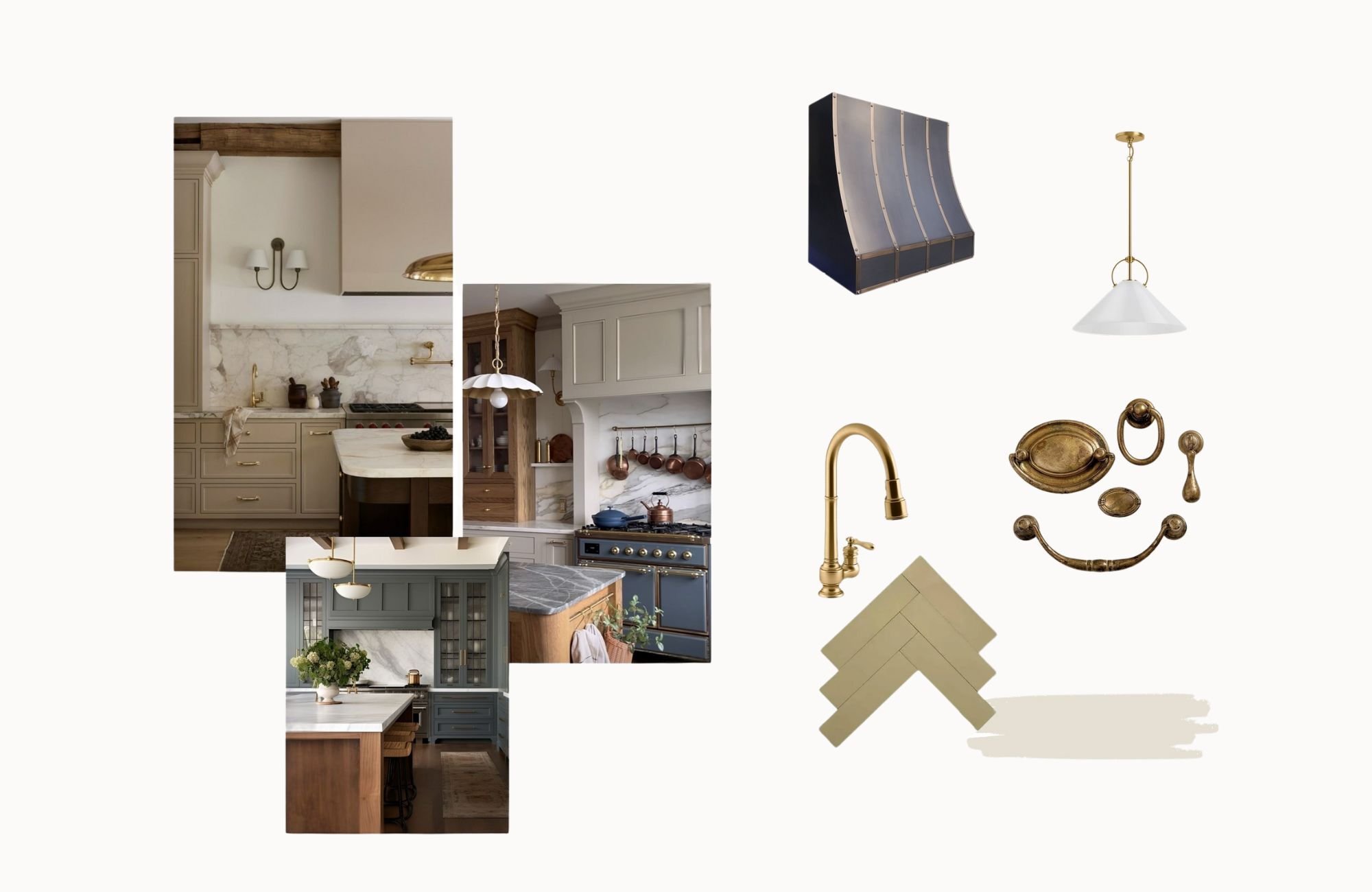
Layout Is Where Frustration Gets Designed Out
Many of the complaints homeowners have about their kitchens come back to layout:
- Not enough prep space where it’s needed
- Appliances competing for the same area
- Islands that look good but interrupt flow
- Storage that’s technically there, but hard to access
These issues aren’t about style. They’re about planning.
A strong kitchen remodel layout anticipates real-life habits and removes friction before it ever shows up.
Expert Insight: Good Layout Feels Invisible
When kitchen layout design is done well, you don’t notice it.
You just move. Cook. Clean. Gather.
That invisibility is intentional. It comes from experience—knowing how kitchens are actually used, not just how they’re photographed.
Finishes express personality. Layout supports life. And the most successful kitchens start with the part you don’t immediately see.
How to Think About Layout Before Choosing Finishes
If you’re early in the process, shift your focus before falling in love with materials.
Start with questions like:
- What parts of the kitchen feel frustrating today?
- Where do tasks overlap or slow each other down?
- What would make everyday use easier—not just prettier?
From there, finishes become the final layer, not the foundation.
If you want a deeper look at kitchen renovation tips that help you avoid common mistakes, our kitchen remodeling mistakes guide walks through key planning decisions step by step.
No pressure. Just smarter decisions before the details.
Kitchen Layout FAQ
Why is kitchen layout design more important than finishes?
Kitchen layout design affects how the space functions every day, from movement to workflow. Finishes change how a kitchen looks, but layout determines how it actually works.
What makes a kitchen remodel layout functional?
A functional kitchen remodel layout supports natural movement, minimizes congestion, and places work zones where they make sense for daily tasks. It helps the kitchen feel intuitive during cooking, cleaning, and gathering.
How does kitchen workflow planning improve usability?
Kitchen workflow planning reduces unnecessary steps between cooking, cleaning, and storage areas. This makes the kitchen easier and more efficient to use, especially during busy times with multiple people in the space.
Can a good layout make a small kitchen feel bigger?
Yes. Smart kitchen layout design can improve flow, reduce visual clutter, and create better spacing between key work areas. Even small layout changes can make the kitchen feel more open and usable.
When should layout decisions be finalized in a remodel?
Layout decisions should be finalized early in the planning phase, before selecting finishes. Changing layout later is typically more complex and costly than updating materials.