


Maybe you love the character of natural stone, prefer something easy to care for, or have your heart set on a dramatic kitchen island. Then there's the backsplash, edge details, and all the little choices that bring the room together.
At Michael James Remodeling, we help homeowners in Gainesville, GA, and surrounding North Georgia communities explore countertop materials, finishes, and backsplash designs as part of their remodeling plans. We'll help you look beyond the samples and consider how each surface will look, feel, and function in your home.
Three taps. You get two materials worth a closer look and what to ask about each. No contact info required.
Pick the room you're thinking about first.
Choose the one that sounds most like you.
Think about a typical week.
The actual slab, your layout, and the rest of your design all shape the final choice.
Countertops do more than provide a place to set things down. They help define the look of a room, connect different design elements, and support the way you use the space.
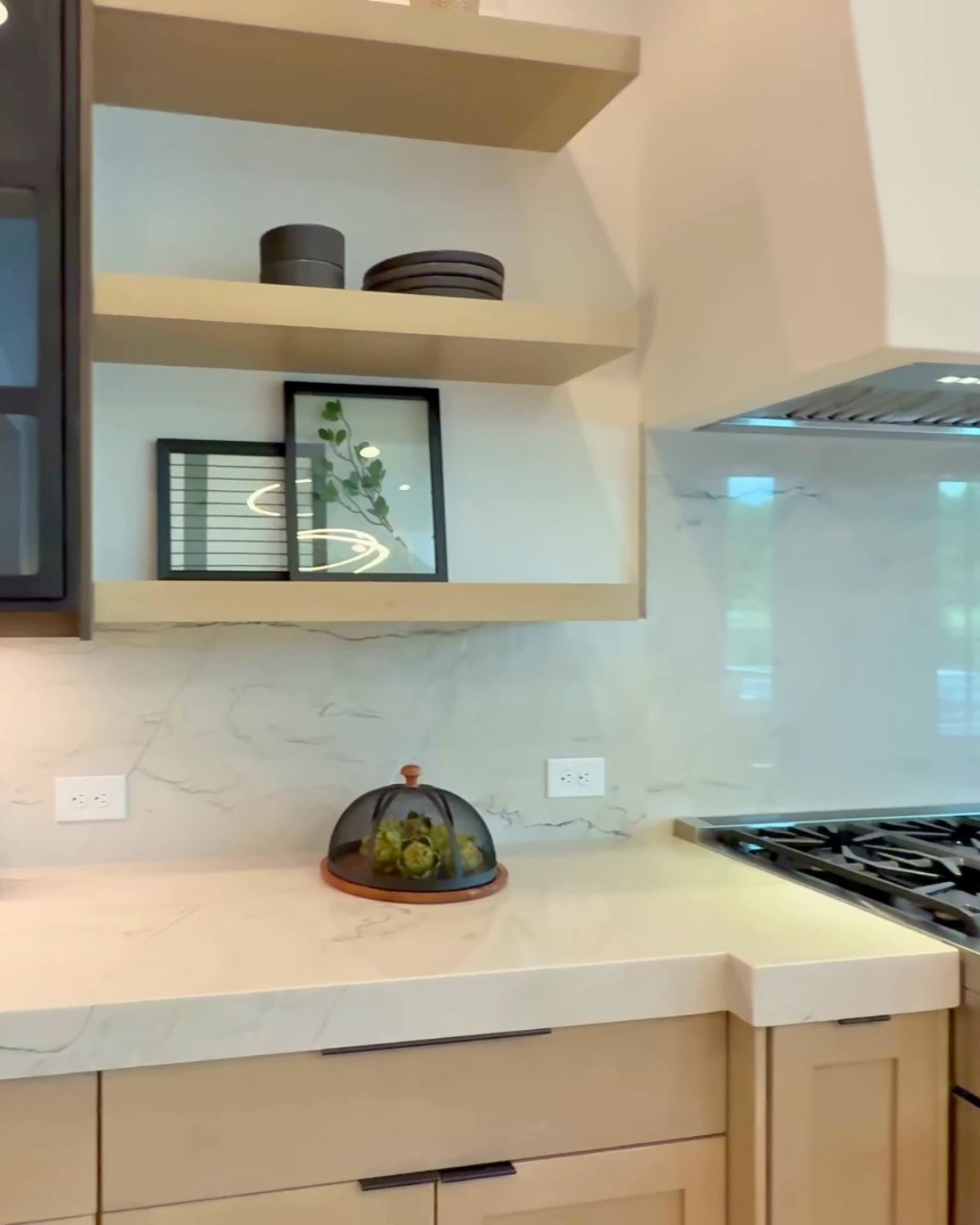
Your kitchen countertops see a little bit of everything. Morning coffee, meal preparation, homework, family gatherings, and the occasional hot pan someone forgets to put on a trivet.
The right surface should complement your cabinets and backsplash while standing up to your household's daily routine. We'll help you consider the materials, colors, and configurations that work with your kitchen layout, including islands, sink areas, and spaces around appliances.
Explore Kitchen Remodeling →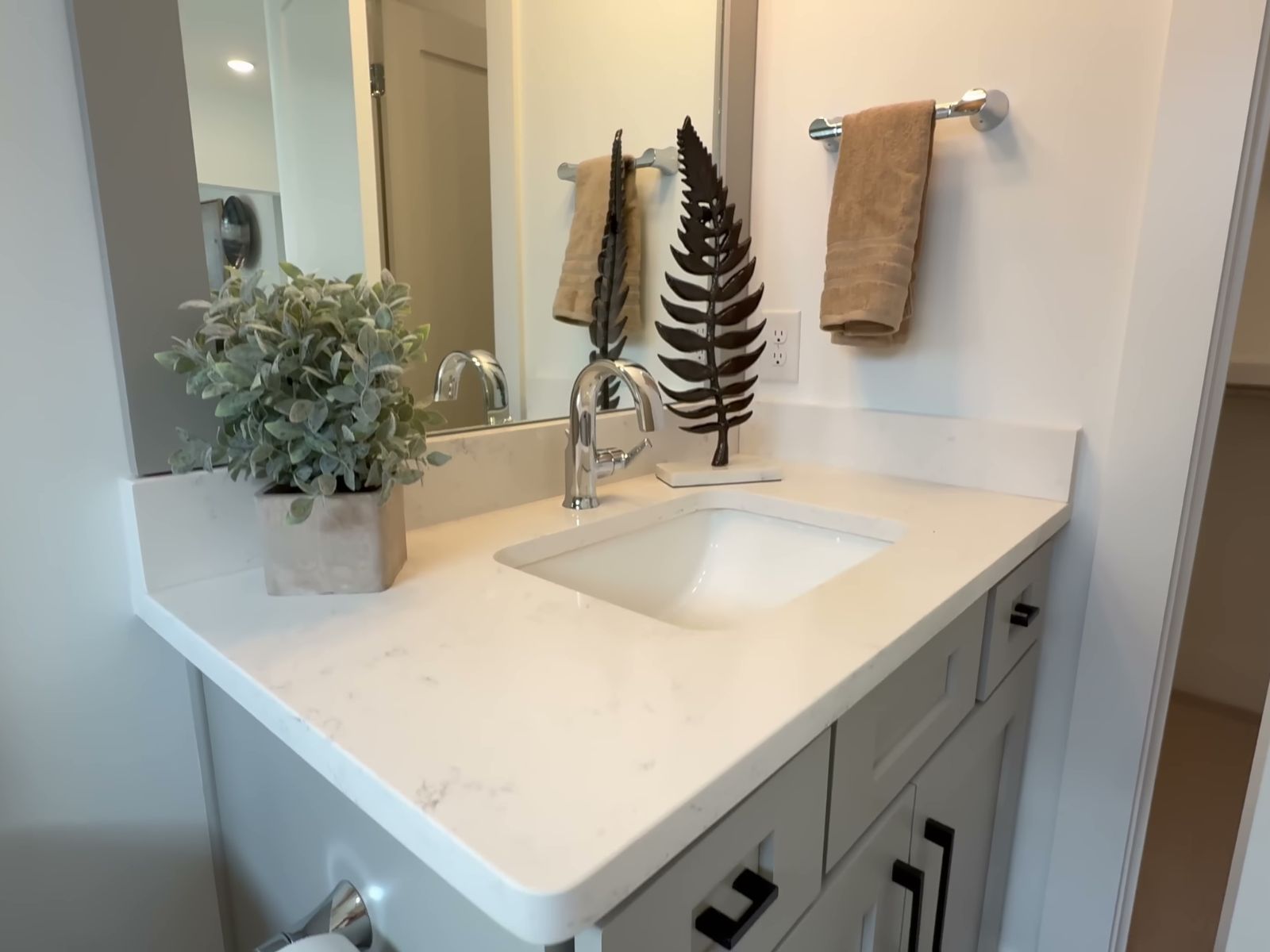
A bathroom countertop needs to look beautiful while handling everyday exposure to water, cosmetics, and personal-care products.
From a spacious double vanity to a smaller guest bathroom, material selection can influence maintenance, sink configurations, and the room's overall appearance. We'll help you consider how the countertop works with your cabinetry, fixtures, tile, and lighting.
Explore Bathroom Remodeling →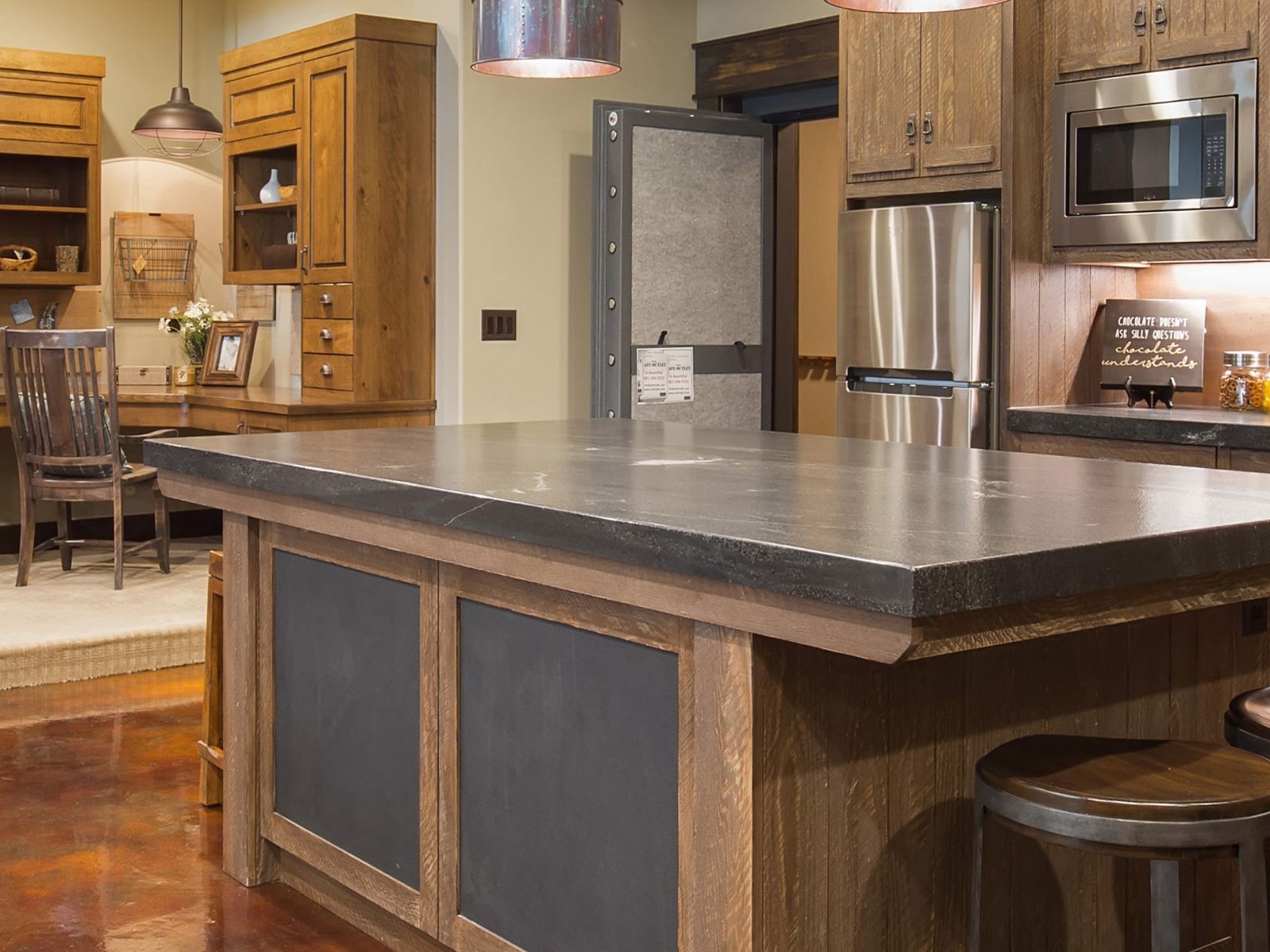
A finished basement can be a wonderful place to entertain, unwind, or spend time with family. A well-designed bar or kitchenette makes the space even more useful.
Countertop materials, cabinet finishes, and backsplash selections can help create a beverage station that feels connected to the rest of the basement. We'll also consider how the surface will be used, from serving drinks to preparing snacks and accommodating small appliances.
Explore Basement Remodeling →A laundry room deserves a little attention, too.
A thoughtfully placed countertop can provide space for folding clothes, organizing supplies, or working around a utility sink. Depending on the room, a durable, easy-to-clean surface may be more important than an elaborate finish.
Want to see countertops in finished homes? Explore Our Remodeling Projects →
There isn't one countertop material that's right for every homeowner.
Some people love the natural movement of stone. Others want a more consistent appearance or prefer a surface that requires less routine care. Your cooking habits, cleaning preferences, design style, and budget all play a part.
Here are some popular countertop materials worth exploring.
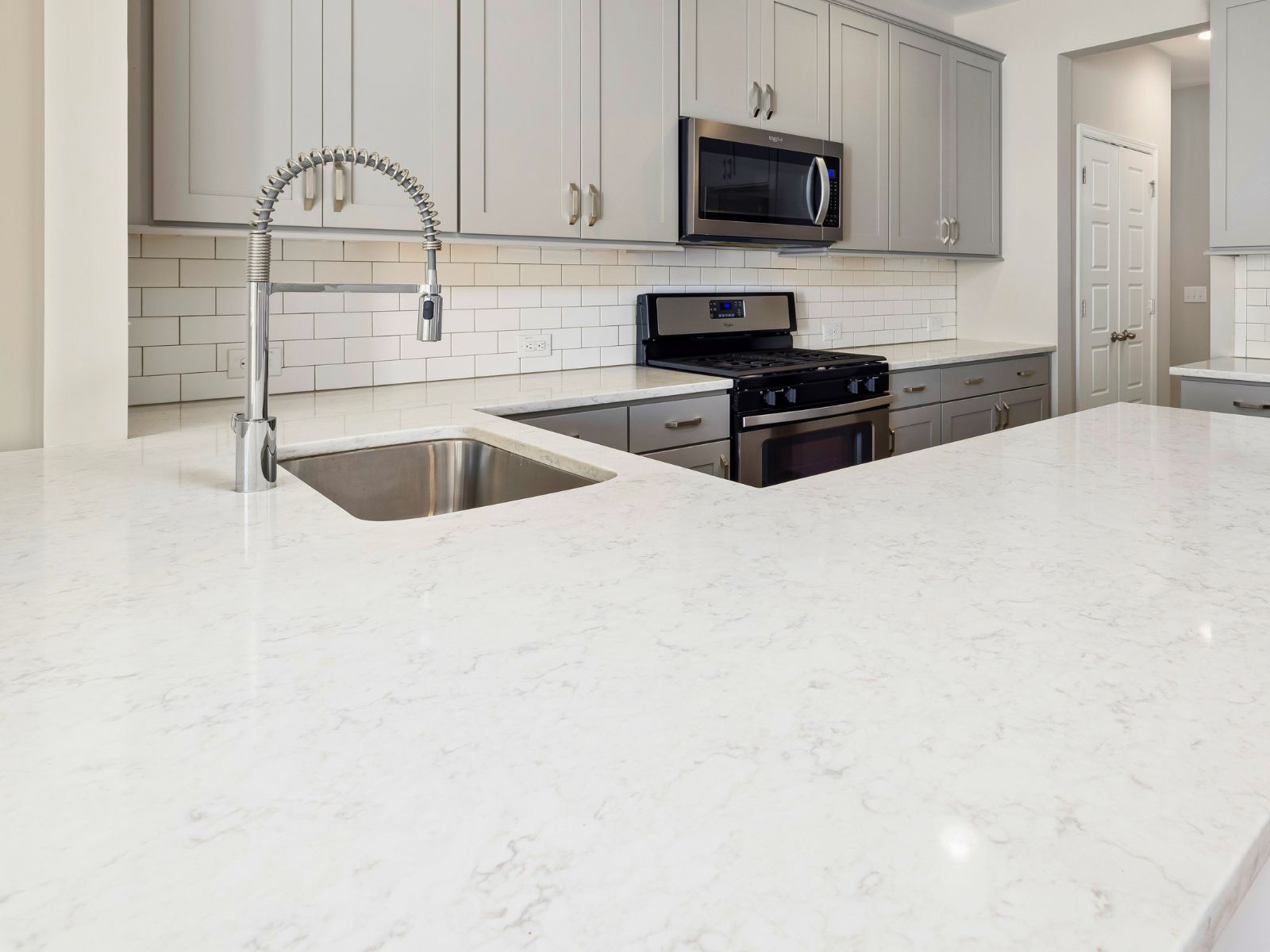
Quartz countertops are engineered surfaces made with mineral content and binding materials. They're available in a wide variety of colors and patterns, including designs that resemble natural marble and other stones.
One of quartz's biggest advantages is convenience. Most engineered quartz countertops are nonporous and don't require routine sealing. They're also relatively easy to clean, making them an appealing option for busy kitchens and bathrooms.
Quartz isn't heat-proof, though. Hot cookware and certain high-temperature appliances can damage the resin components, so trivets and heat protection are important.
Consider quartz if: You want a polished, versatile look with relatively straightforward everyday maintenance.
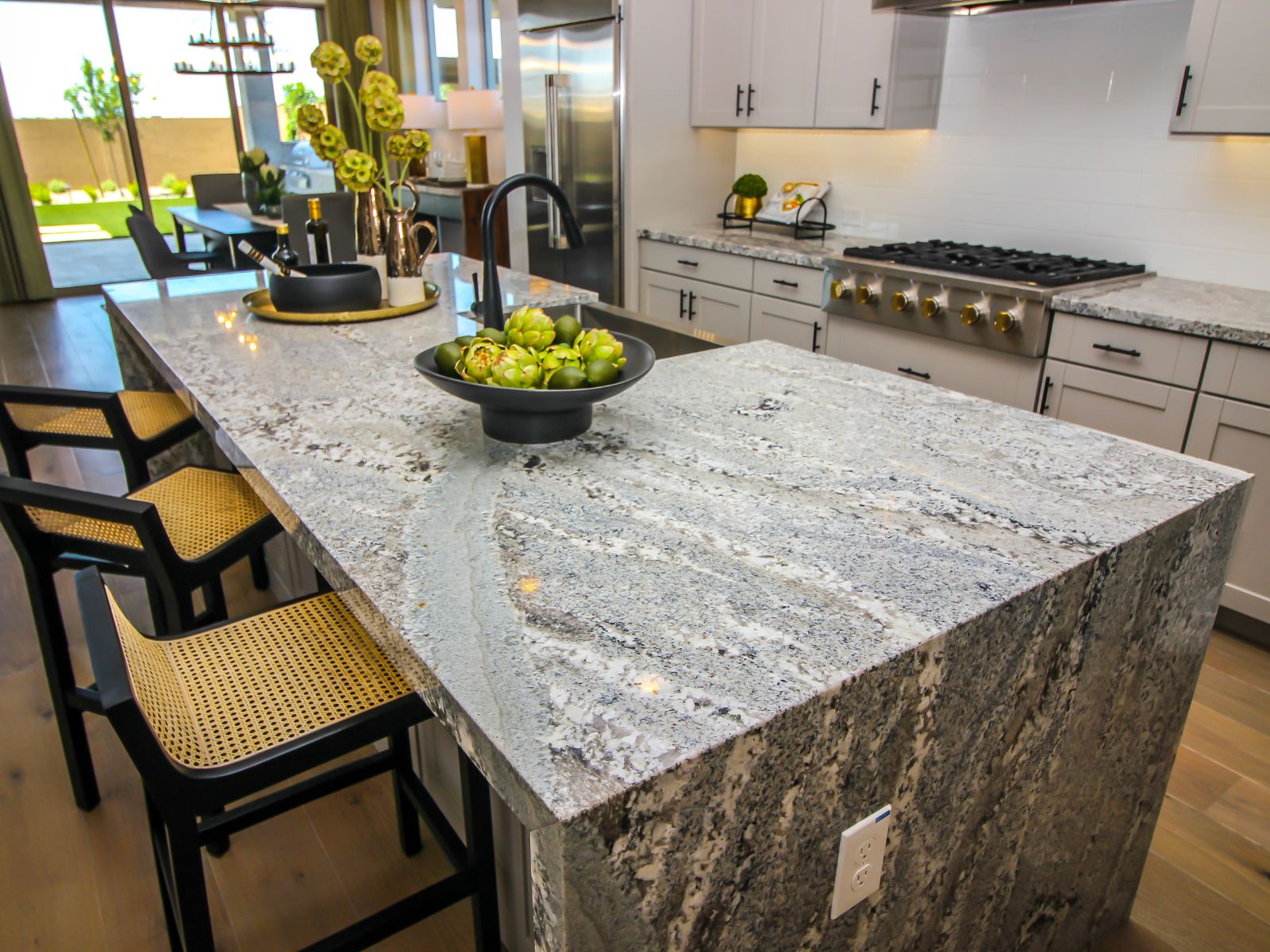
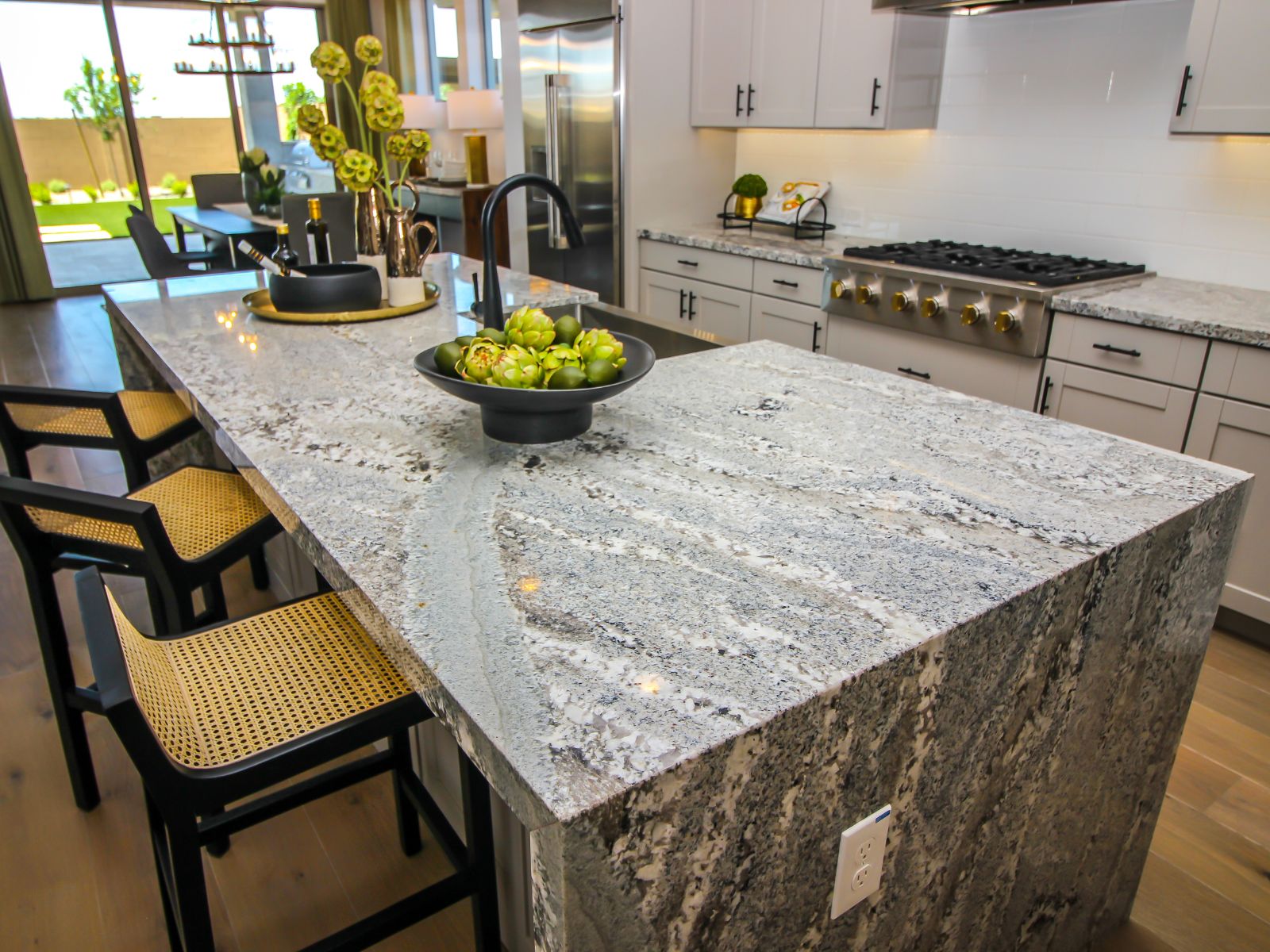
No two granite slabs look exactly alike. Some feature subtle flecks and gentle movement, while others have dramatic patterns and contrasting colors.
Granite is a natural stone valued for its durability and distinctive appearance. It can work beautifully in traditional kitchens, contemporary spaces, and bathrooms where homeowners want the character of real stone.
Because granite varies in porosity and composition, sealing and care requirements depend on the specific stone and finish.
Consider granite if: You appreciate natural variation and want to choose a slab with its own unique character.
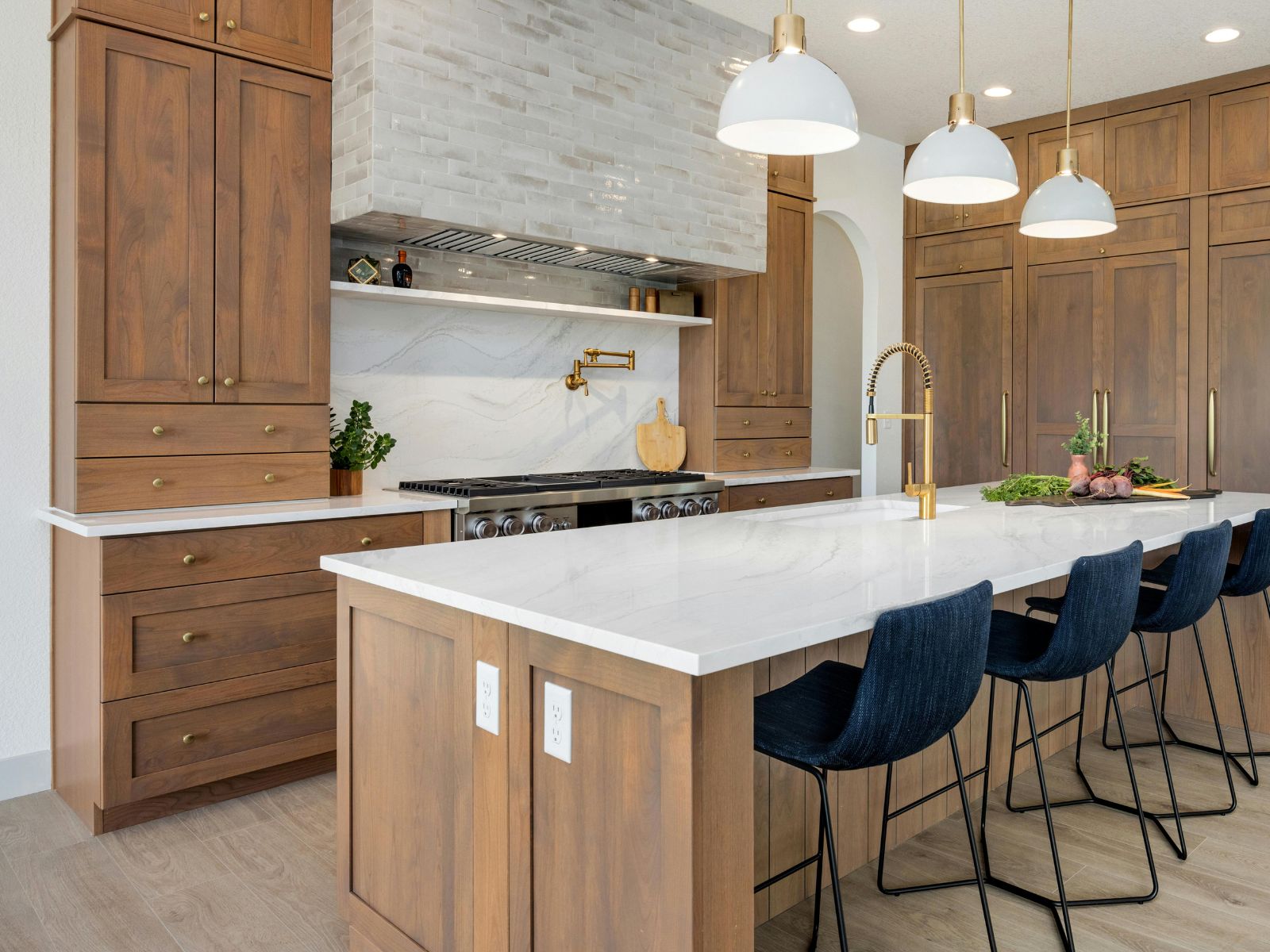
Quartzite has become a popular choice for homeowners who love the appearance of natural stone, particularly lighter surfaces with flowing veins and soft color variations.
Unlike engineered quartz, quartzite is a natural stone. Many quartzites are highly resistant to scratching, but their porosity, mineral composition, and maintenance requirements can vary.
It's important to verify the actual material you're selecting. Some stones marketed under similar names may have different properties, including sensitivity to acidic substances.
Consider quartzite if: You want natural stone with distinctive movement and are comfortable following the care recommendations for your selected slab.
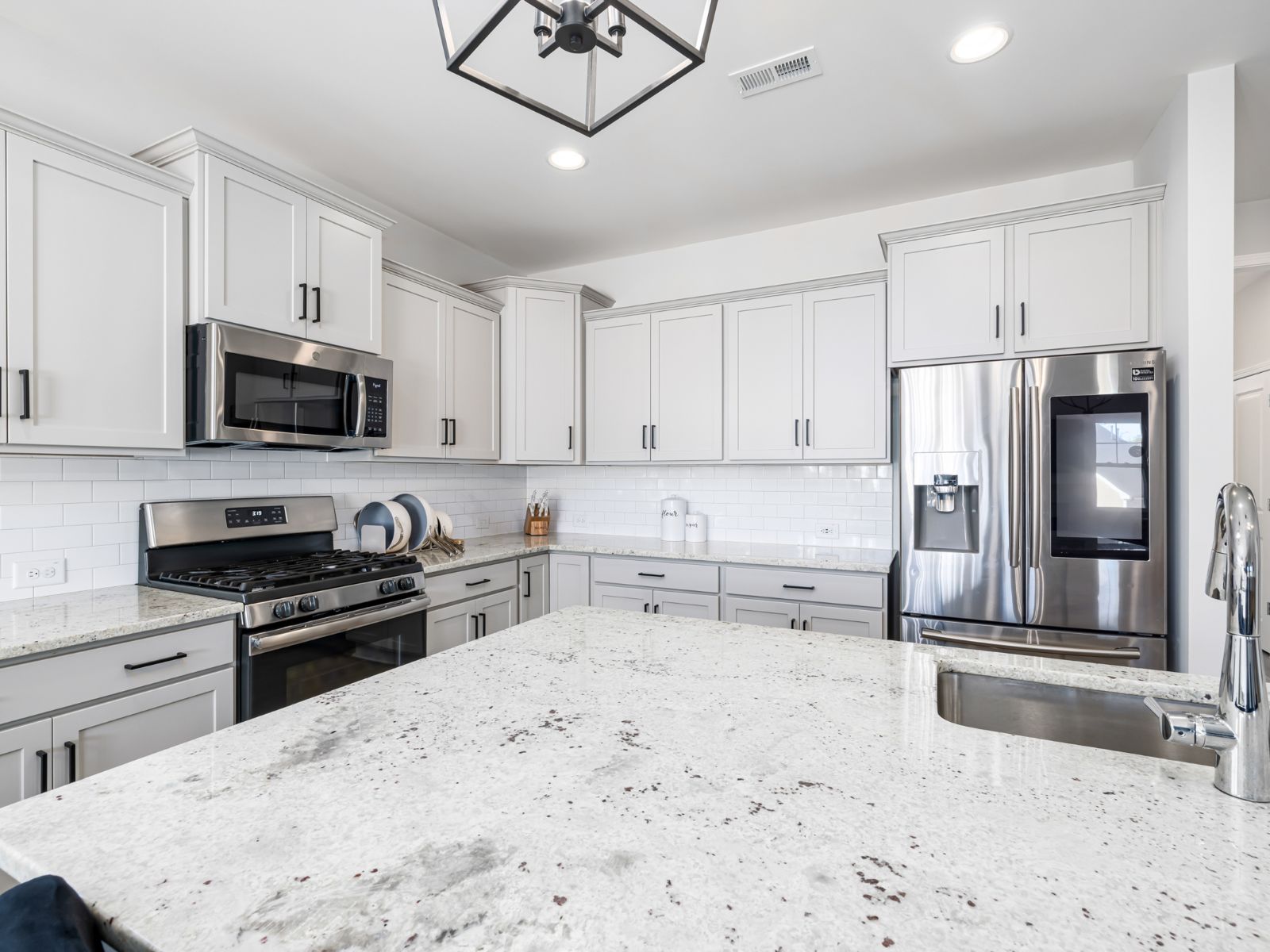
There's something special about natural marble. Its veining, subtle color variations, and timeless appearance can bring character to a kitchen, bathroom, or statement island.
Marble does require a little more consideration. It's softer than many other countertop stones and can scratch or develop etch marks when exposed to acidic substances such as lemon juice or vinegar.
Some homeowners embrace the patina that develops over time. Others prefer a material that maintains a more consistent appearance.
Consider marble if: You love authentic natural stone and appreciate the character it can develop with everyday use.
Porcelain and other sintered surfaces offer contemporary design possibilities, including large-format slabs, stone-inspired patterns, and sleek finishes.
Depending on the product, these surfaces can provide strong resistance to staining, heat, and UV exposure. However, edges, impacts, installation requirements, and manufacturer specifications deserve careful attention.
Consider these surfaces if: You're interested in a streamlined appearance and want to explore modern countertop materials with product-specific performance characteristics.
Depending on your project and the products available, you may also want to explore:
A natural stone with a soft, understated appearance that can develop a patina and show scratches over time.
Warm, inviting surfaces that bring natural texture into a room but require attention to moisture, cleaning, and maintenance.
Manufactured countertops available in a variety of colors, with options for integrated sinks and inconspicuous seams.
A customizable surface with a distinctive appearance, although sealing, staining, and the possibility of hairline cracking should be considered.
These materials each offer something different. The goal isn't to find the most expensive option. It's to find the one that makes sense for your home.
It's easy to get caught up in how a countertop looks in a photograph. Before making your decision, take a moment to consider how it will perform in everyday life.
| Material | Appearance | Everyday Care | Important Consideration |
|---|---|---|---|
| Quartz | Consistent colors and manufactured patterns | Mild cleaning; typically no sealing | Protect from excessive heat |
| Granite | Natural variation and distinctive patterns | Stone-safe cleaning; sealing needs vary | Inspect the actual slab |
| Quartzite | Natural veining and movement | Stone-safe care; sealing may be needed | Verify the stone's properties |
| Marble | Classic veining and natural character | Gentle cleaning and appropriate sealing | Can scratch and develop acid etching |
| Porcelain | Contemporary finishes and stone-inspired designs | Generally easy to clean | Edge and impact considerations |
| Soapstone | Soft, natural appearance | Routine cleaning and optional surface treatments | Scratches and patina |
| Wood | Warm grain and natural texture | Regular cleaning and moisture management | Water exposure and maintenance |
| Solid Surface | Consistent colors and smooth transitions | Generally straightforward cleaning | Heat and scratch precautions |
No countertop is completely maintenance-free or immune to damage. Even materials known for durability have limitations.
Think about what matters most to you. Is it natural beauty? Less routine maintenance? A particular color or pattern? The ability to coordinate with your cabinetry?
Those answers can help narrow the choices much faster than comparing samples alone.
Your countertop and backsplash don't need to match perfectly. In fact, some of the most interesting combinations come from balancing different colors, textures, and patterns.
The trick is knowing which element should take the lead.
If you've chosen a countertop with dramatic veining, a simpler backsplash may give it room to shine. If your countertop is relatively quiet, the backsplash can introduce a little more personality.
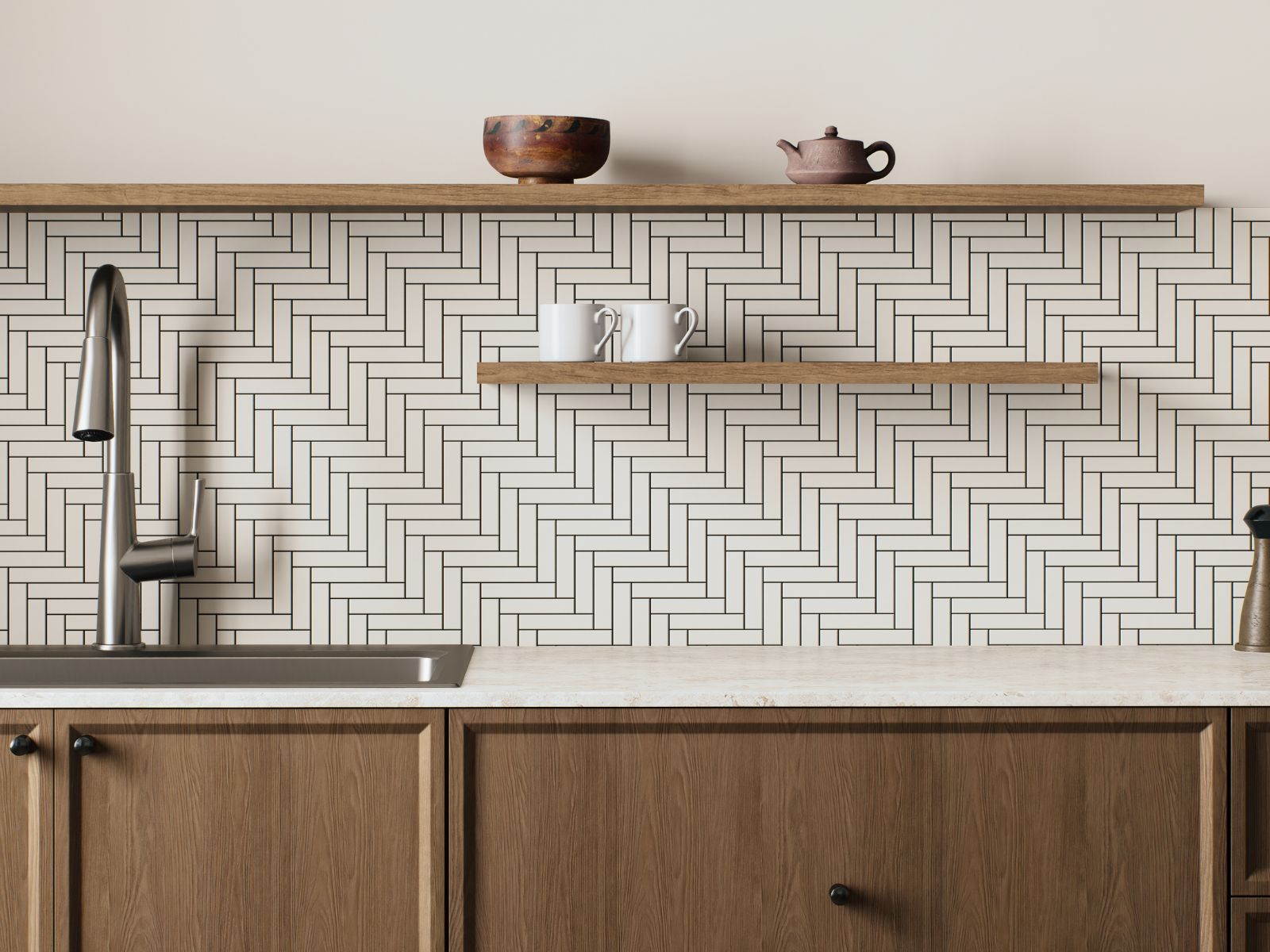
Tile offers almost endless opportunities to personalize a space.
Classic subway tile creates a clean, familiar look, while handmade-style tile introduces texture and subtle variation. Herringbone, vertical stack, and mosaic patterns can add visual interest without changing the countertop material.
Ceramic, porcelain, glass, and natural stone tiles each offer different appearances and care requirements.
Grout color matters, too. A matching grout can create a softer, more continuous look, while contrasting grout emphasizes the pattern.
And don't forget where the backsplash ends. Its height, relationship to cabinets, and transitions around windows or open shelving can influence the finished appearance.
A clean, familiar look.
Texture and subtle variation.
Visual interest and movement.
Clean lines with height.
Personality in small pieces.
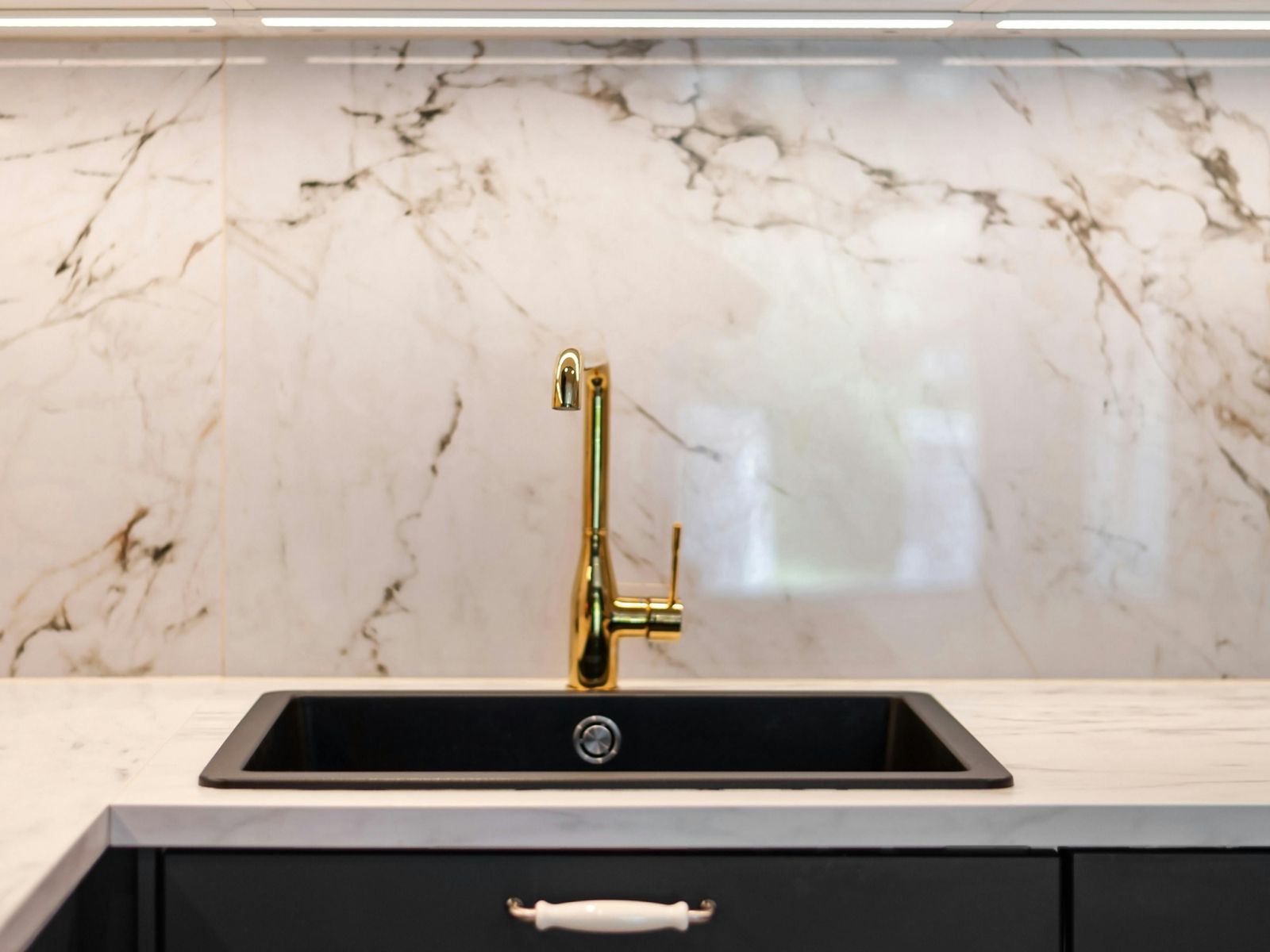
A slab backsplash extends a continuous surface up the wall, often using the same or a coordinating material as the countertop.
This approach can create a dramatic focal point, particularly when the stone has distinctive veining. It also reduces the number of grout joints compared with many tile installations.
There are important details to plan, including slab dimensions, vein direction, seams, outlets, and cutouts.
A full-height backsplash is a design decision worth considering early, especially when the goal is to coordinate the movement of natural stone across multiple surfaces.
A soft, welcoming combination that adds texture without overwhelming the room.
Lets the natural movement of the countertop become the main visual feature.
Creates contrast and can brighten the surrounding cabinetry.
Emphasizes natural veining and creates a more continuous appearance.
Balances natural textures with a clean, comfortable look.
The best combinations consider the entire room, including cabinet finishes, flooring, fixtures, and lighting.
Choosing the material is a big decision, but it's not the last one.
The finish, edge profile, thickness, and installation details all influence how your countertop looks once it's in place.
A small sample can help you narrow your choices, but it may not show the full character of a natural stone slab.
Some slabs have consistent coloring. Others feature large veins, mineral deposits, and dramatic shifts in pattern. When those details matter to the design, viewing the actual slab can make a real difference.
A sample shows a small part of a slab.
A polished finish reflects more light and can emphasize color and pattern. Honed finishes create a softer, more matte appearance.
Some materials are also available with textured or specialty finishes.
Not every finish is offered for every product, and finish selection can influence cleaning requirements and the visibility of marks.
The edge is one of those details you might not notice until you start comparing options.
A simple eased edge creates a clean, understated look. Rounded or beveled edges introduce a different profile, while more decorative options can complement traditional cabinetry.
The right edge depends on the material, countertop thickness, surrounding design, and available fabrication options.
Simplified side views, for illustration.
A waterfall countertop continues down the side of an island or cabinet, creating a strong visual connection between the horizontal and vertical surfaces.
It's a beautiful option for some designs, but it also requires careful planning for material use, pattern alignment, fabrication, and installation.
The surface continues down the side.
Depending on the size and shape of your countertop, seams may be necessary.
Large islands, long countertop runs, and complicated layouts can require multiple pieces of material. Seam placement, pattern alignment, and visibility should be discussed during planning rather than treated as an afterthought.
Dashed line shows where a seam may fall.
A countertop needs to do more than fit the cabinets. It also needs to work with the sink, fixtures, appliances, and overall room layout.
The type of sink you choose affects the countertop opening and surrounding details. Undermount, drop-in, and other sink configurations have different installation requirements.
Faucets, soap dispensers, and additional accessories also need to be considered before the final cutouts are made.
Island overhangs, seating areas, cabinet configurations, and the selected countertop material all influence support requirements.
These details are evaluated for the specific design so the finished surface has the support it needs.
Final countertop measurements are typically completed once the supporting cabinetry is properly installed and ready for templating.
Confirming the material, sink, edge details, and other selections before fabrication helps reduce the possibility of delays or unexpected changes.
You don't need to know every technical requirement before starting your remodel. Our job is to help coordinate those decisions as the design comes together.
You don't have to arrive with a countertop material already picked out. Sometimes you know exactly what you love. Other times, you just know your current kitchen or bathroom isn't working for you anymore.
Either way, we'll help you work through the choices.
We'll discuss what you'd like to change, how you use the room, your design preferences, and the priorities for your remodel.
We'll help you compare countertop options and consider how they coordinate with cabinetry, flooring, fixtures, and the overall design.
Once the direction is established, it's time to review the important details, including backsplash materials, edge profiles, sinks, and other selections.
After the required selections and supporting work are ready, the appropriate measurements and fabrication details can be finalized.
Countertop and backsplash installation are coordinated with the surrounding remodeling work, followed by a review of the completed space and applicable care guidance.
Our goal is to make the decisions feel manageable, so you can enjoy the process of creating a home that works better for you. See our full remodeling process.
Countertop pricing involves more than choosing a material and multiplying the square footage.
Two countertops of similar size may have different costs because of the selected slab, fabrication requirements, edge details, backsplash coverage, and installation conditions.
What influences the investment?
If you have a particular budget in mind, it's helpful to discuss it early. That gives us an opportunity to explore options that support your priorities without losing sight of the overall remodeling plan. See what drives kitchen remodel costs.
Material availability, selection approvals, measurements, fabrication, and the scheduling of related remodeling work all play a part.
Changes to the layout, sink, or selected material after approval may also affect the schedule.
Every countertop material has its own care requirements.
For many surfaces, everyday cleaning is relatively simple. But natural stone, engineered quartz, wood, and other materials can respond differently to heat, moisture, cleaning products, and acidic substances.
Before making your final selection, it's worth asking what the surface will need from you over time.
Natural stone may require sealing, depending on its characteristics. Keep in mind that sealing improves resistance to certain stains but does not make stone stain-proof or prevent acid etching.
Maybe you've already found a stone you love. Maybe you're still deciding between quartz and granite, or wondering how to bring your countertops, cabinets, and backsplash together.
That's a great place to start a conversation.
At Michael James Remodeling, we believe the best remodeling decisions come from understanding your home, your priorities, and the way you want to live in the finished space.
Let's talk about what you have in mind.
Free consultation. We tell you the real cost and timeline before you sign anything.
3473 Thompson Bridge Rd, Gainesville, GA 30506 · sales@michaeljamesremodeling.com


